hero test

Getting checked for lung cancer

Getting checked - what's involved?

Some people put off contacting their GP practice because they think they’ll be wasting their time but they want to see you if you’re worried about any potential symptoms.

Here’s what to expect when you contact your GP practice:

  • Follow the normal procedures to contact your GP practice.  You may have to wait for your call to be answered but it shouldn’t take long, please be patient. They do want to hear from you.
  • Your GP or primary care clinician will listen to your concerns about your health and ask some questions about your symptoms.
  • They may want to examine your chest.
  • They’ll decide if you need to have a chest x-ray or other tests and will arrange these for you. If you need more investigations, your GP practice may arrange for you to see a chest specialist in a hospital.
  • If you’re diagnosed with lung cancer, you’ll be referred to a lung cancer team for expert treatment and care.

FACTS

  • Lung cancer is the most common cancer in Scotland with approximately 5,500 new cases diagnosed every year.
  • More people than ever in Scotland are surviving lung cancer.
  • The earlier lung cancer is found, the easier it is to treat and the more likely you are to survive.
  • Since 1995, lung cancer rates for women in Scotland have increased by 22%.

Worried about family or friends?

If someone close to you is experiencing any symptoms mentioned on this site, it may well be that they simply don’t realise it could be a sign of cancer. Chances are it is nothing to worry about, but maybe it is time to start a conversation.

Real stories from real survivors

Read stories of people who had their cancer found at an early stage, because they took part in screening, or spoke to their GP. Find out how early detection helped them be treated successfully, and live well after cancer.

  • Daniel McLaughlin

    Daniel's story

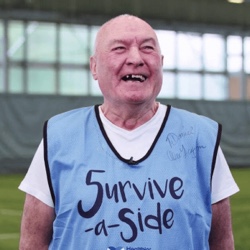
    Daniel McLaughlin, 75 from Drumchapel, was diagnosed with lung cancer in 2016 after undergoing treatment for a tumour that was found in his mouth.

    Daniel McLaughlin