Breast Cancer Now
Telephone: (0808) 800 6000

Breast cancer is the most common cancer for women in Scotland.
Men can get breast cancer in rare cases. It grows in the small amount of breast tissue men have behind their nipples. Learn more about breast cancer in men on NHS Inform.
Most women know that a lump can be a sign of breast cancer. Lumps can be found anywhere in your breasts, armpit or around your collarbone. If you do find one it doesn’t necessarily mean you have cancer. However, you do need to contact your GP practice, especially for women 30+ – just to rule it out.
Below are some of the signs and symptoms to look out for:
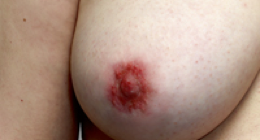
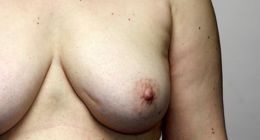
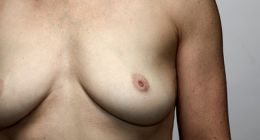
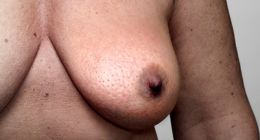
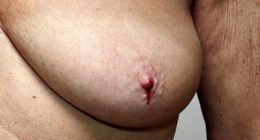
For advice on how to check your breasts visit Breast Cancer Now.
What should I do if I spot these?
Your breasts will look and feel different at different times of your life, but if you’re worried about a change or you have had a breast infection that doesn’t settle or returns after treatment, contact your GP practice.
Breast cancer is much more treatable these days and the earlier it’s found the easier it is to treat successfully.
As well as looking out for the signs and symptoms above, it’s important to keep an eye out for your breast screening invite coming through your letterbox. All women between 50 and 70 are invited for breast screening every three years.
Breast screening could save your life.
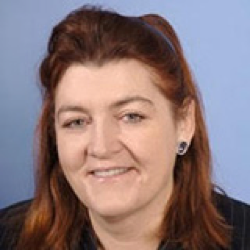
expands the full quotation and moves focus to the start of the 2nd paragraph, so you can continue to read the full quoteBreast cancer remains the commonest cancer in Scottish women with one in seven women developing the disease. As a result of new targeted treatments and detecting breast cancer early the survival from breast cancer is constantly improving.
More women survive breast cancer today than ever before. The majority can be treated by lumpectomy and radiotherapy avoiding mastectomy. Breast symptoms are very common and frightening. We all know that a lump can indicate breast cancer but other changes may also indicate breast cancer.
If you have any of the symptoms mention on this site, please contact your GP practice. If you are over 50 then look out for your breast screening invitation. Although you may be scared remember that earlier diagnosis can lead to a better outcome.
Women over the age of 50 are at an increased risk of breast cancer – if this is you, compare your breasts to the images on this site and contact your GP practice if you have any worries or concerns at all
If you have symptoms, your GP practice wants to know. If it isn’t serious, the doctor or nurse can put your mind at ease. And if it is, finding out earlier means it’s more likely that treatments will be successful.
Many people put off getting symptoms checked as they’re worried they’ll be wasting the doctor’s or nurse’s time – or they might feel embarrassed. Remember, they see hundreds of patients every year and are here to help.
If you’d feel more comfortable with a female nurse or doctor, be sure to mention this when you contact your GP practice.
They might:
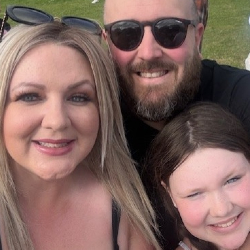
Trust your instincts and get checked early – it could save your life. Your health is your wealth. It’s so important and breast cancer can affect anyone at any age, not just older women.
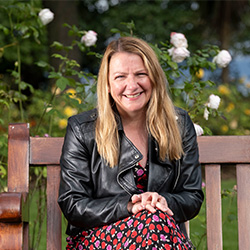
I feel very fortunate it was found so early and treated quickly. I am grateful that my GP acted quickly and the care and compassion I received from the NHS was amazing. I’m here, I’m healthy and I’m not going to lie down and let what happened take over. I was back at yoga quickly, I even tried paddleboarding recently and am more mindful of taking care of myself.
Telephone: (0808) 800 6000
Telephone: (0808) 800 4040