
Blood Cancer UK
Telephone: 0808 2080 888

Blood cancer includes cancers that affect the blood, bone marrow or lymphatic system. There are three main groups, and within each group there are different types:
Symptoms of the three main types of blood cancer in adults (leukaemia, lymphoma and multiple myeloma) can be vague, but it’s important to contact your GP practice if you notice the following:
In most cases these symptoms will be a sign of something less serious than cancer. However if you are experiencing unusual or persistent symptoms, it’s always best to contact your GP practice to get checked as soon as possible.

expands the full quotation and moves focus to the start of the 2nd paragraph, so you can continue to read the full quoteThere are a number of different types of blood cancer, but most are manageable long term with an ever-increasing range of therapies becoming available. It is always beneficial to make a diagnosis early, either to increase the likelihood of cure or to minimise the harm caused by the condition. For those diagnosed, most will be managed as outpatients with an intention to allow their normal lives to continue as much as possible.
As the symptoms of blood cancer can be quite vague, often people delay speaking to their GP practice because they feel like they will be wasting time. But your GP practice won’t think this – they will want to hear from you.
Because when cancer is found at an earlier stage, more treatment options could be available.
Your concerns will be listened to and, depending on what you’re experiencing, the primary care clinician may:
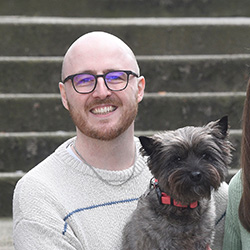
My advice to anyone concerned about a possible symptom is to contact your GP practice immediately. It doesn’t bear thinking about what could have happened if I’d not been diagnosed at that point. Go with your gut if you feel something is wrong. Don’t google it or sit and worry about it, put your trust in the professionals. Regretting doing nothing is so not worth it.
Telephone: 0808 2080 888

Telephone: 08088 010 444