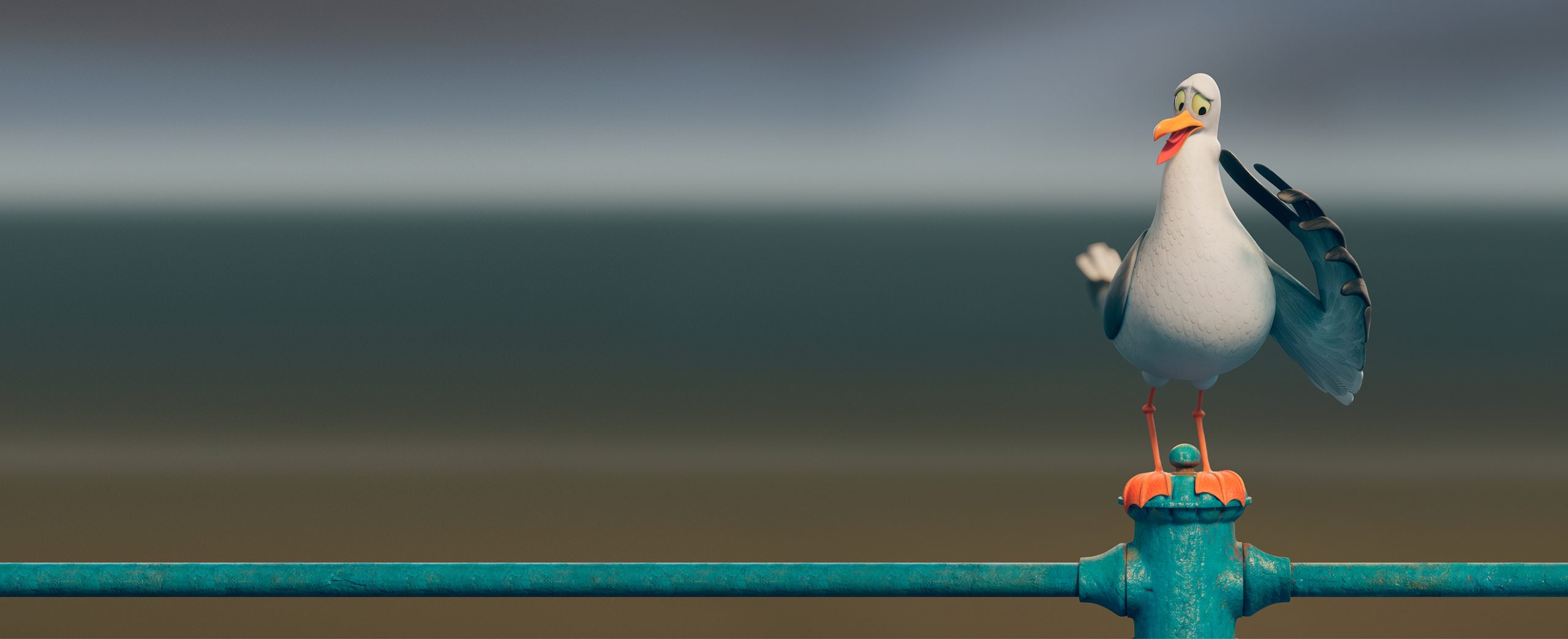
Early bird on railings

David Cowan

David Cowan

In late 2017, TV reporter David Cowan, from Edinburgh, noticed a small, hard, painless lump in his neck just weeks after his 50th birthday. After checking the NHS website, he booked a GP appointment, a decision he now credits with saving his life.

Diagnosis

My awareness of mouth cancer was pretty much very, very superficial. I knew it existed. I knew the dentists checked when they examined you, to see if there were any warning signs there, but it never occurred to me that it would happen to me.

I was also blissfully unaware that the human papillomavirus (HPV) is linked to mouth cancer in a significant number of cases. I knew very little about it and had no real understanding of the risks it can pose.

A few weeks after my 50th birthday, I noticed a lump in my neck, it was about the size of a wine gum. It was hard, just underneath my jaw line, and it wasn’t sore, and it just appeared.

I thought that’s strange. I didn’t do anything about it for a few days. I thought it would go away, then I decided to look up my symptoms on the NHS website, and the advice came up very clearly that if you’ve got a painless, hard lump in your neck that doesn’t go away, you should contact your GP practice.

They immediately referred me to specialists.  My GP later told me she thought straight away that it could be cancer.

I was sent to a NHS Lothian clinic in Edinburgh for tests and about a month later, another doctor felt the lump on my neck and said, ‘that’s cancer.’

Treatment

Because it had been found early, I was told there was a 90% chance of the treatment being successful.

The treatment process was hard, I lost two stones and was off work for five months, but of course it was worth it, because I’m still here.

It’s not pleasant treatment if you have mouth cancer, and my consultant had warned me about that from the start.

They explained what was going to happen, and I remember, during treatment, thinking, ‘they did warn me this would happen.’

Living well again

I had no real hesitation in getting my symptom checked out because the NHS website told me to do that, and I’m very glad I did. Thinking that you might have cancer is scary, but it’s far better to know than just sitting there in the dark and delaying getting symptoms checked out.

I felt like I was in the expert embrace of the NHS; my experience was extremely positive throughout the whole thing. People talk about fighting cancer, I felt the NHS fought my cancer for me, and I just went along for the ride.

I also had fantastic support from family, friends and work colleagues. They helped me approach the whole experience in a positive way, which the doctors told me was very important.

I got the all-clear in June 2018. It was a massive relief. Lots of great things have happened in the seven years since I had cancer that I might have been deprived of had I not got back to full health with the help of the NHS.

I now try to appreciate the smaller things in life more and just remember how fortunate I am to be here.

Having cancer is a life-changing event, but now I’m living well and enjoying life with my family and our dog.

Be the early bird

We do need to raise more awareness of mouth cancer. I was told my mouth cancer was relatively rare, but was becoming more common. I’m delighted to see that young boys, as well as girls, are now getting human papillomavirus (HPV) vaccinations in school to help prevent this happening to them.

It doesn’t matter where the cancer is, if you get it detected early, you’ve got a better chance of successful treatment. The crucial thing about cancer is getting treated as early as you possibly can, and that means if people are worried about something, they have to seek help, no matter how scary it might be. I feel very lucky to be here.

Please don’t ignore your screening invite or delay in contacting your local GP practice with unusual, persistent symptoms. Go to getcheckearly.org to find out more.

Have you influenced a loved one to get checked early? Or did you get checked early and now live a full life? We'd love to hear from you – your story could encourage someone else to contact their GP practice or take part in screening.